
Texas stands as one of the most influential musical landscapes in American history, a vast cultural crossroads where diverse traditions have collided, merged, and evolved into distinctive sounds that have shaped popular music worldwide. From the cotton fields of East Texas to the honky-tonks of Austin, from the blues clubs of Houston to the Tejano dance halls along the border, the Lone Star State has consistently produced groundbreaking artists and revolutionary sounds that transcend geographical boundaries.
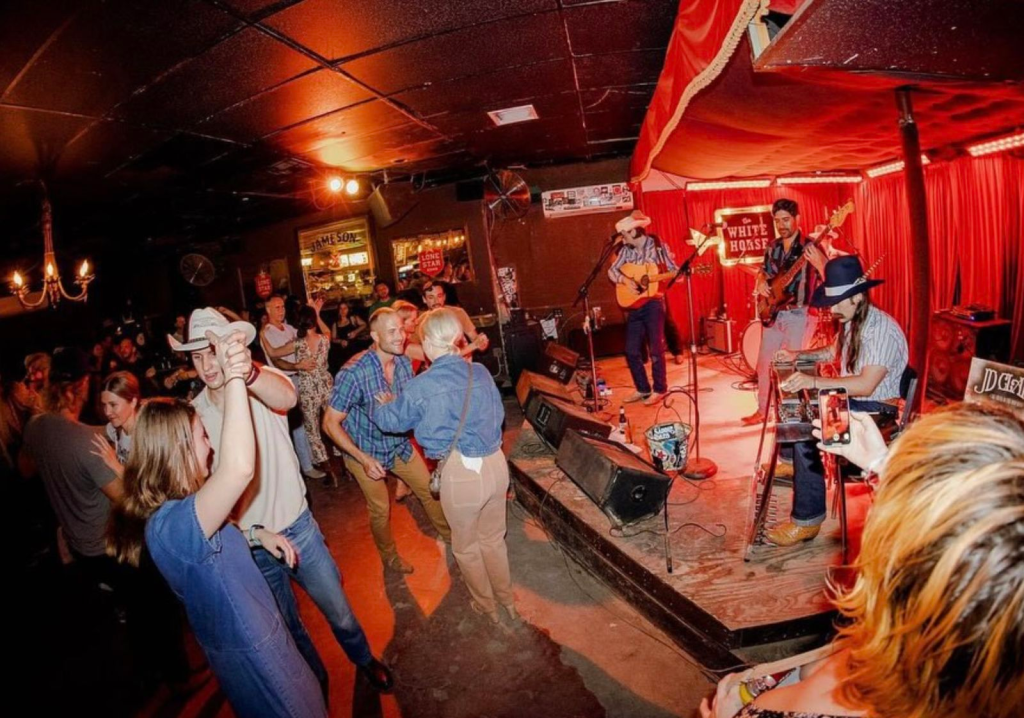
The story of Texas music is inseparable from the state’s complex cultural history. As a borderland between the United States and Mexico, a meeting point of Southern, Western, and Latin American traditions, and a place where African American, European, and Indigenous cultures have intermingled for centuries, Texas became a natural incubator for musical innovation. This unique position has allowed the state to birth entirely new genres while simultaneously serving as a crucible where existing styles are transformed into something distinctly Texan.
Historical Foundations: The Roots of Texas Sound
Early Influences and Folk Traditions
The musical heritage of Texas begins long before recording technology captured its sounds. Native American tribes, Spanish colonizers, German and Czech immigrants, enslaved Africans, and Anglo-American settlers all contributed musical traditions that would eventually blend into the Texas soundscape. The corridos of Mexican culture, the polkas of European immigrants, the work songs and spirituals of African Americans, and the ballads of Anglo settlers created a rich tapestry of musical expression.
By the late 19th century, Texas had established itself as a place where musical boundaries were fluid. Cowboys sang trail songs that mixed elements of Irish ballads with Spanish influences. In the dance halls of communities like Fredericksburg and New Braunfels, German and Czech immigrants maintained their polka and waltz traditions, which would later influence the development of conjunto and Western swing. Meanwhile, in the cotton-growing regions of East Texas, African American musicians were developing the blues tradition that would prove foundational to American popular music.
The Blues Tradition: East Texas and Beyond
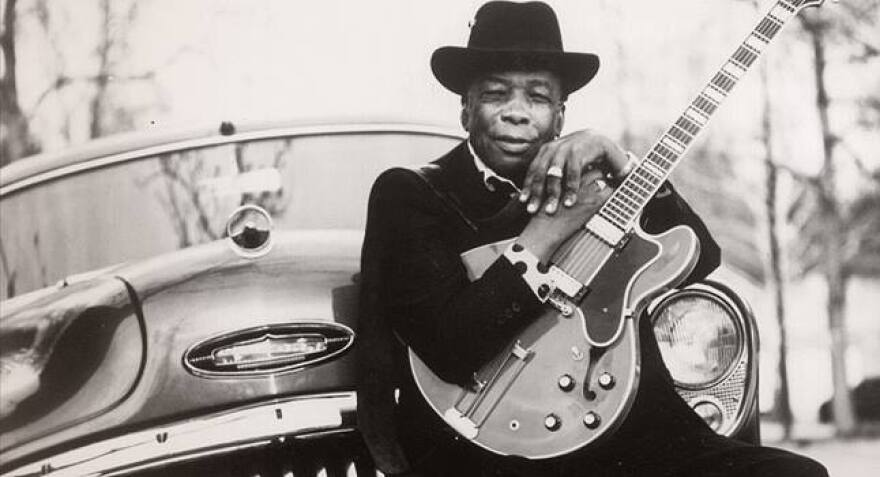
The Texas blues tradition represents one of the state’s most significant contributions to world music. Unlike the Delta blues of Mississippi or the Chicago electric blues, Texas blues developed its own character—often more uptempo, with a distinctive guitar style that emphasized single-note runs rather than the bottleneck slide techniques common elsewhere. This Texas style would prove enormously influential on rock and roll.
Blind Lemon Jefferson, born in Coutchman, Texas, in 1893, became one of the first major blues stars and the most successful male blues artist of the 1920s. His innovative guitar work and distinctive vocal style influenced countless musicians. His recordings like “Matchbox Blues” and “See That My Grave Is Kept Clean” established templates that blues musicians would follow for decades. Jefferson’s success demonstrated that there was a commercial market for blues music and paved the way for other Texas blues artists.
The tradition continued through artists like Lightnin’ Hopkins, who became one of the most prolific blues recording artists of all time, with hundreds of recordings to his credit. Hopkins maintained a raw, acoustic style even as electric blues became dominant elsewhere, preserving the country blues tradition well into the rock era. His influence extended far beyond blues, affecting folk, rock, and country artists.
T-Bone Walker, born in Linden, Texas, revolutionized blues music by pioneering the electric guitar as a lead instrument. His smooth, jazz-influenced style and his showmanship—playing the guitar behind his head and doing splits on stage—created a template for modern blues performance. His song “Call It Stormy Monday” became a blues standard, recorded by countless artists across multiple genres.
Country Music’s Texas Origins
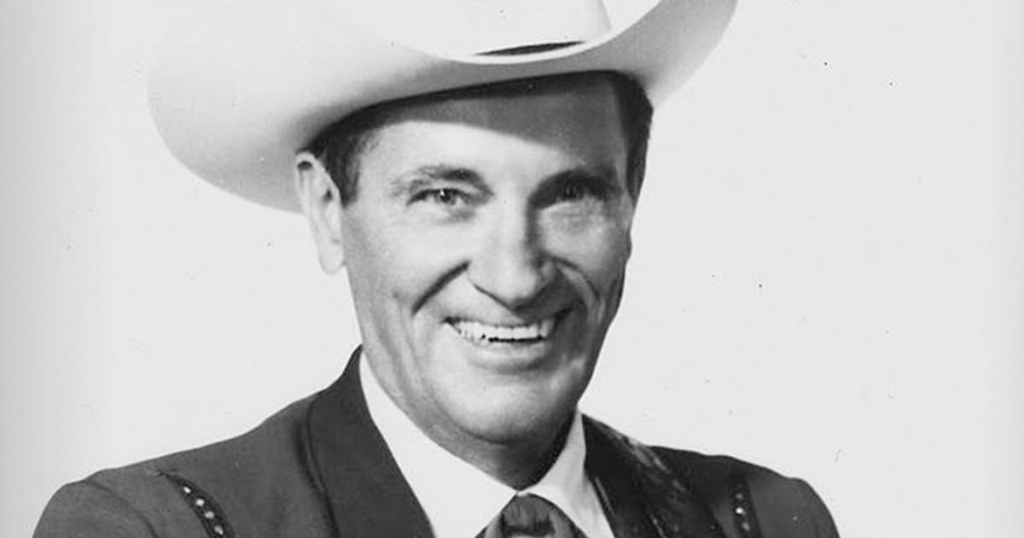
While Nashville eventually became synonymous with country music, Texas played an equally vital role in the genre’s development. The singing cowboys of the 1930s and 1940s, many of whom hailed from Texas, helped popularize country music nationally. Gene Autry and Tex Ritter brought cowboy songs to mainstream audiences through films and recordings, establishing archetypes that persist in country music today.
Ernest Tubb, born in Crisp, Texas, became one of country music’s first megastars in the 1940s. His honky-tonk style—characterized by a straightforward, emotional vocal delivery and the prominent use of electric guitar—helped define a new direction for country music. His song “Walking the Floor Over You” became one of the genre’s first crossover hits, reaching audiences beyond the traditional country market.
Revolutionary Genres Born in Texas
Western Swing: A Texas Innovation
Western swing represents perhaps the most distinctly Texan contribution to American music—a genre that could only have emerged from the state’s unique cultural melting pot. Combining the string band traditions of country music with jazz improvisation, big band arrangements, blues feeling, and even elements of Mexican music, western swing created a sophisticated, danceable sound that dominated Texas dance halls in the 1930s and 1940s.
Bob Wills, the “King of Western Swing,” and his band the Texas Playboys perfected this fusion, creating a sound that was simultaneously rural and cosmopolitan. Wills incorporated drums, horns, and electric instruments into country music at a time when such innovations were considered radical. His hits like “San Antonio Rose” and “Faded Love” demonstrated that country music could be as musically complex and sophisticated as any other genre. The Texas Playboys performed for dancers, and this emphasis on rhythm and groove would influence rock and roll, honky-tonk, and even modern country music.
Milton Brown and His Musical Brownies also played a crucial role in western swing’s development, arguably creating some of the genre’s first recordings and establishing many of its conventions. The genre’s influence extended far beyond its heyday, affecting artists from Merle Haggard to Asleep at the Wheel, who have kept the tradition alive into the 21st century.
Tejano and Conjunto Music

The Texas-Mexico border region developed its own distinctive musical traditions that reflected the area’s bicultural reality. Conjunto music, which emerged in South Texas in the early 20th century, combined the button accordion (introduced by German, Polish, and Czech immigrants) with the bajo sexto (a 12-string Mexican guitar) to create a sound that was uniquely Tejano. This music, played at family gatherings, weddings, and community celebrations, became the soundtrack of Mexican American life in Texas.
Narciso Martínez, known as “El Huracán del Valle” (The Hurricane of the Valley), pioneered the conjunto accordion style in the 1930s, creating a rapid, staccato technique that became the hallmark of the genre. His innovative approach transformed the accordion from a supporting instrument to the voice of conjunto music.
As the 20th century progressed, Tejano music evolved to incorporate elements of rock, country, jazz, and cumbia, creating a more polished, commercial sound while maintaining its cultural roots. This evolution reached its apex in the 1990s with the rise of Selena Quintanilla. Born in Lake Jackson, Texas, Selena became the “Queen of Tejano Music,” bringing the genre to unprecedented mainstream attention. Her tragic death in 1995 at age 23 cut short a career that was breaking down barriers between Latin and Anglo audiences. Her posthumous crossover album and the biographical film about her life introduced Tejano music to audiences who had never heard it before.
Other significant Tejano artists include Little Joe y la Familia, who pioneered Chicano rock and roll in the 1960s; Emilio Navaira, who successfully crossed over between Tejano and country music; and La Mafia, whose sophisticated production values helped modernize the genre.
Outlaw Country: Austin’s Rebellion
In the 1970s, a group of Texas musicians rebelled against the increasingly polished, pop-oriented sound of Nashville country music. These “outlaws” rejected the country music establishment’s control over artistic direction, instead embracing a raw, rock-influenced sound and insisting on creative control over their recordings. Austin became the headquarters of this movement, which would reshape country music and establish the city as a major music center.
Willie Nelson, who had struggled as a songwriter in Nashville, returned to Texas and became the face of outlaw country. His 1973 album “Shotgun Willie” and especially his 1975 concept album “Red Headed Stranger” demonstrated that country music could be artistically ambitious and commercially successful without conforming to Nashville’s formulas. Nelson’s jazz-influenced phrasing, his distinctive guitar playing, and his willingness to incorporate elements of folk, rock, and pop made him one of country music’s most innovative figures.
Waylon Jennings, though born in Littlefield, Texas, also became central to the outlaw movement. His 1976 album “Wanted! The Outlaws” (recorded with Willie Nelson, Jessi Colter, and Tompall Glaser) became the first country album to go platinum, proving that there was a massive audience for this grittier, more authentic approach to country music.
The outlaw movement’s impact extended beyond commercial success. It established the principle that country artists could maintain creative control, paving the way for later generations of independent-minded musicians. It also helped make Austin a viable alternative to Nashville, attracting musicians who valued artistic freedom over commercial compromise.
Regional Scenes and Cities
Austin: The Live Music Capital
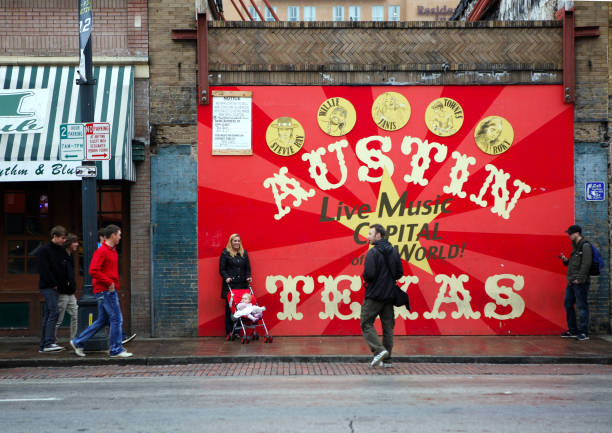
Austin’s designation as the “Live Music Capital of the World” isn’t just marketing—it reflects a genuine concentration of venues, musicians, and musical activity that few cities can match. The city’s music scene began developing in earnest in the 1960s and 1970s, fueled by the presence of the University of Texas, relatively cheap rent, and a cultural atmosphere that valued artistic expression.
The Armadillo World Headquarters, which operated from 1970 to 1980, became the epicenter of Austin’s music scene. This converted National Guard armory hosted an eclectic mix of performers—country, rock, blues, folk—and attracted a similarly diverse audience. Willie Nelson’s performances at the Armadillo helped cement his status as a counterculture icon and demonstrated that hippies and rednecks could coexist, united by good music and Texas beer.
Sixth Street, now synonymous with Austin nightlife, developed into a corridor of music venues in the 1970s and remains a major draw for tourists and music fans. But Austin’s music scene extends far beyond this party district. Venues like the Continental Club (opened 1955), Antone’s (founded 1975), and Stubb’s Bar-B-Q (opened 1992) have become institutions, each with its own character and contribution to the city’s musical ecosystem.
South by Southwest (SXSW), the annual music, film, and interactive festival, has been held in Austin since 1987 and has grown into one of the world’s most important music industry events. For two weeks each March, the city becomes a showcase for thousands of performers from around the world, while also serving as a gathering place for the music industry to conduct business and identify trends.
Austin City Limits, both the television show (running since 1974, making it the longest-running music television program in American history) and the annual music festival (since 2002), have helped project Austin’s music scene to national and international audiences. The show has featured performances by virtually every major Texas artist and countless others, creating an invaluable archive of live performances.
Houston: Blues, Hip-Hop, and Diversity
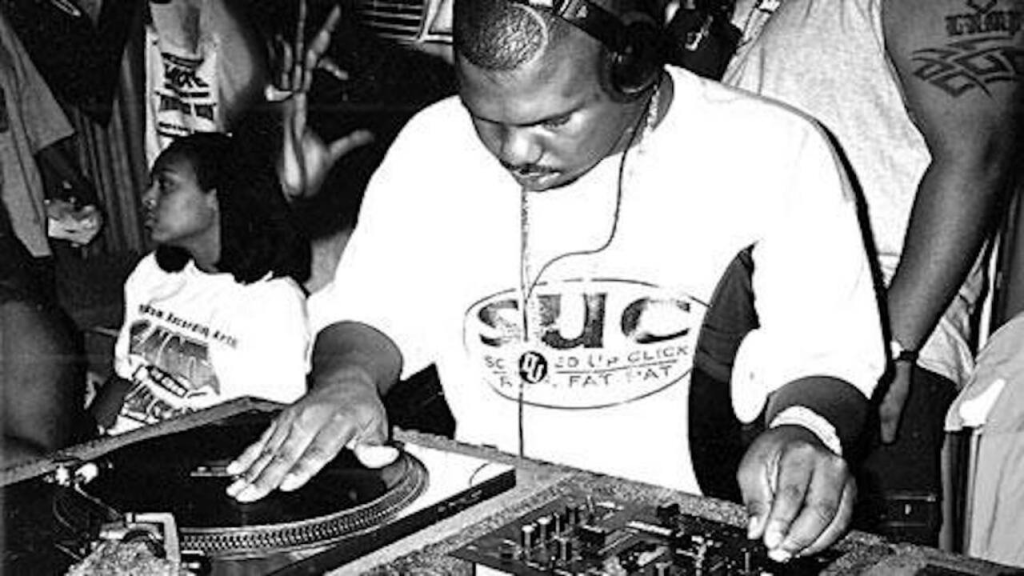
Houston’s music scene reflects the city’s status as one of America’s most diverse metropolitan areas. The city has strong traditions in blues, gospel, country, and Latin music, but it has also become a major center for hip-hop and rap music.
In the blues realm, Houston’s Third Ward produced a distinctive sound in the postwar era. Artists like Albert Collins, Johnny Copeland, and Johnny “Guitar” Watson developed a guitar-driven style that was aggressive and innovative. Collins, known as “The Master of the Telecaster” and “The Iceman,” created a percussive, minor-key style that influenced blues rock guitarists worldwide.
Houston’s hip-hop scene emerged in the 1980s and exploded into national consciousness in the 1990s and 2000s. The city developed a distinctive sound characterized by slowed-down tempos, heavy bass, and chopped-and-screwed production techniques. DJ Screw pioneered this technique in the early 1990s, creating a hypnotic, syrupy sound by slowing down records and repeating certain sections. This innovation influenced not just Houston hip-hop but rap music nationally and even affected pop and electronic music.
The Geto Boys, a Houston group, became one of Southern hip-hop’s most important acts in the late 1980s and early 1990s, with member Scarface establishing himself as one of rap’s most respected lyricists. Later, artists like Slim Thug, Paul Wall, Mike Jones, and Chamillionaire brought Houston hip-hop to mainstream audiences in the mid-2000s.
More recently, Travis Scott has become one of the world’s biggest rap stars while maintaining strong connections to Houston. His psychedelic, heavily produced sound represents a new evolution of Houston hip-hop, incorporating elements of electronic music and rock while maintaining connections to the city’s traditions.
Dallas-Fort Worth: Diverse Musical Hub
The Dallas-Fort Worth Metroplex has contributed significantly to multiple genres, though it perhaps lacks the singular musical identity of Austin or the genre-specific dominance of Houston’s hip-hop scene. The area’s diversity is its strength, having produced important artists across the musical spectrum.
Deep Ellum, Dallas’s historic entertainment district, has been a center for blues, jazz, and later punk and alternative rock since the 1920s. In the 1980s and 1990s, it became a haven for alternative and punk bands, producing acts like the Toadies, Tripping Daisy, and Reverend Horton Heat. The neighborhood’s venues have hosted countless touring acts and local bands, though gentrification has threatened its character in recent years.
Fort Worth’s contributions include notable country and Americana artists. The city maintains a more traditional Western identity compared to Dallas, reflected in venues like Billy Bob’s Texas, which bills itself as the world’s largest honky-tonk. T Bone Burnett, though he’s lived in various places, has Fort Worth roots and has become one of music’s most respected producers, working on projects from O Brother, Where Art Thou? to Raising Sand.
San Antonio: Tejano Music and Beyond
San Antonio’s proximity to Mexico and its large Mexican American population have made it a center for Tejano music and conjunto. The city’s Guadalupe Cultural Arts Center has been instrumental in preserving and promoting traditional conjunto music, hosting the annual Tejano Conjunto Festival, which draws thousands of fans each year.
But San Antonio’s musical contributions extend beyond Tejano. The city produced influential punk and alternative bands in the 1980s and 1990s, and contemporary San Antonio continues to nurture a diverse music scene that reflects its cultural complexity.
Legendary Texas Venues
Historic Dance Halls and Honky-Tonks
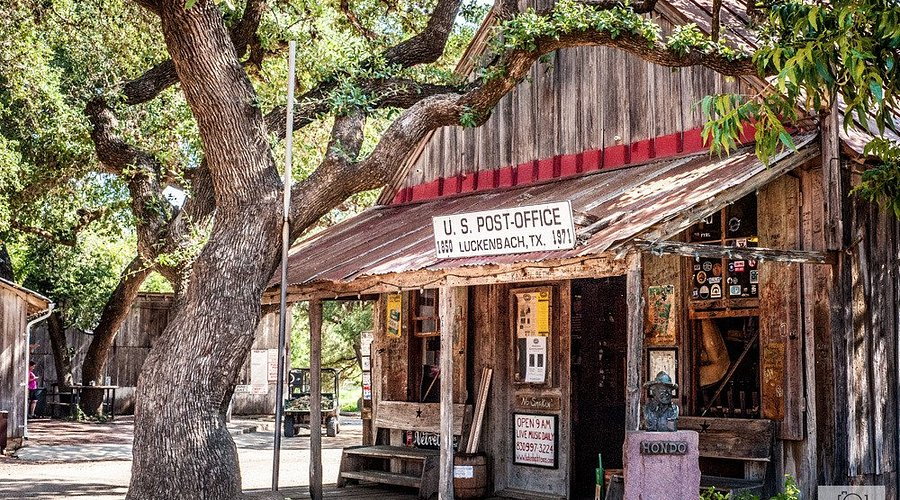
Texas’s legendary dance halls represent living history—structures that have hosted generations of dancers and musicians while maintaining their essential character. Gruene Hall, near New Braunfels, opened in 1878 and claims to be Texas’s oldest continually operating dance hall. Its weathered wood interior, simple stage, and intimate atmosphere provide an authentic connection to Texas’s musical past, while still hosting contemporary performers.
Luckenbach, Texas, a tiny community near Fredericksburg, became famous through Waylon Jennings’s song “Luckenbach, Texas (Back to the Basics of Love).” The town’s dance hall and general store host regular concerts and dances, embodying the laid-back, unpretentious approach to music that Jennings celebrated.
Broken Spoke in Austin, opened in 1964, maintains traditional Texas honky-tonk culture amid the city’s rapid growth and gentrification. Owner James White has kept the venue authentic, hosting both legendary performers and up-and-coming artists playing traditional country, western swing, and honky-tonk music. The venue’s motto—”We refuse to be an urban legend”—reflects its determination to survive in a changing city.
Contemporary Venues
Modern Texas venues continue the state’s tradition of providing spaces where musicians can develop their craft and audiences can experience live music in intimate settings. The Continental Club in Austin has operated since 1955, though it became a premier music venue in the 1980s. Its art deco interior and commitment to roots music make it a favorite among musicians and serious music fans.
The Granada Theater in Dallas, originally opened in 1946 as a movie palace, was restored and reopened as a music venue in 2004. It exemplifies Texas’s pattern of repurposing historic structures for live music, maintaining architectural heritage while adapting to contemporary needs.
Iconic Texas Artists
Country Legends
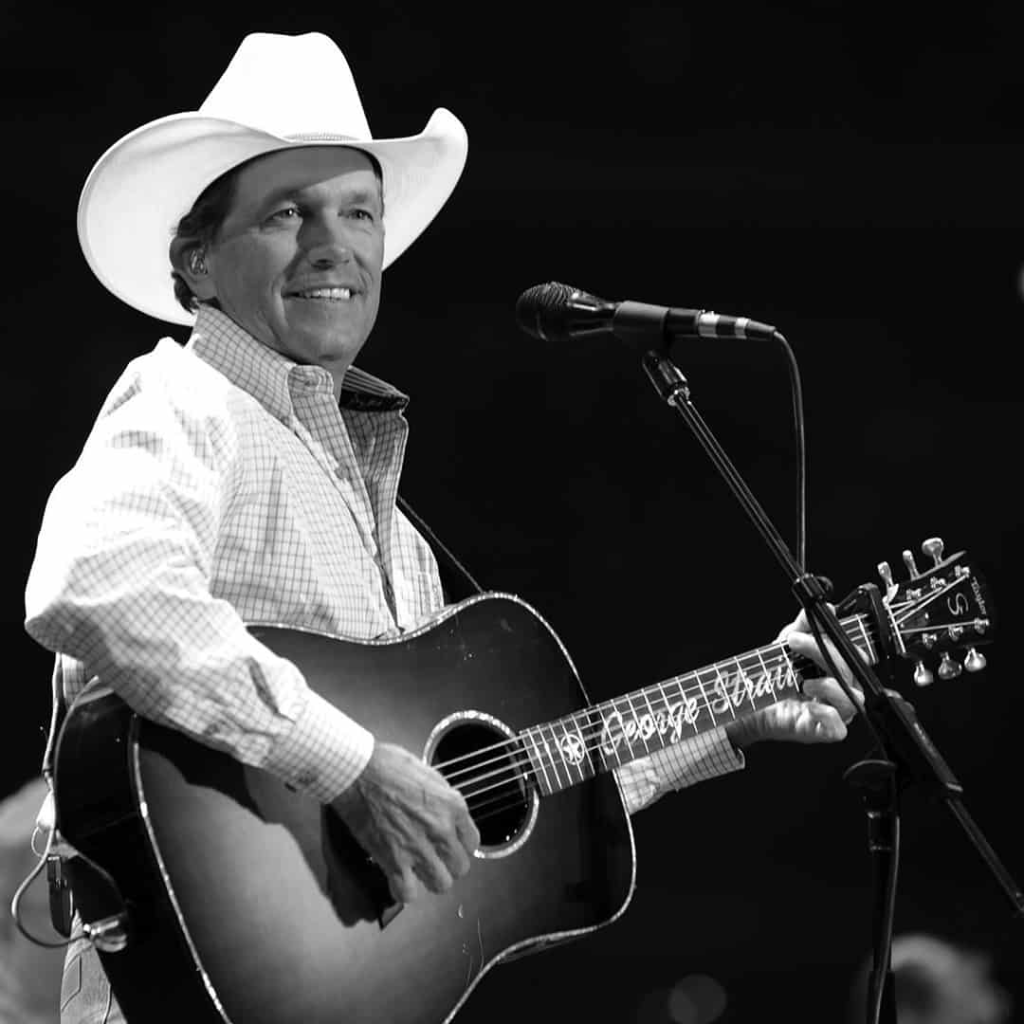
George Strait, born in Poteet and raised in Pearsall, Texas, became the most commercially successful country artist of all time while maintaining a traditional country sound. With 60 number-one hits on the Billboard country charts—more than any other artist—Strait proved that traditional country music could maintain commercial viability even as the genre experimented with pop and rock influences. His straightforward singing style, cowboy image, and focus on quality songwriting made him the standard-bearer for Texas country music.
Kris Kristofferson, though born in Brownsville to a military family and not raised in Texas, represents the Texas singer-songwriter tradition at its finest. His poetic, introspective songwriting influenced countless artists, and songs like “Me and Bobby McGee,” “Help Me Make It Through the Night,” and “Sunday Mornin’ Comin’ Down” became standards, recorded by artists across multiple genres.
Blues Giants
Stevie Ray Vaughan resurrected blues rock in the 1980s at a time when the genre had been largely eclipsed by other styles. Born in Dallas and based in Austin, Vaughan combined the Texas blues tradition with rock intensity, creating a sound that was both reverential toward blues traditions and thoroughly contemporary. His technical virtuosity, emotional intensity, and showmanship made him one of guitar’s most influential figures. His tragic death in a helicopter crash in 1990 cut short his career at age 35, but his influence continues to shape blues and rock guitarists.
Rock and Alternative
Janis Joplin, from Port Arthur, became one of rock’s most iconic figures in the late 1960s. Her raw, emotionally intense vocal style drew from blues and gospel traditions, while her personal style and attitude challenged conventions about femininity and women’s roles in rock music. Though her career was brief—she died of a heroin overdose in 1970 at age 27—her influence on rock vocalists, both male and female, has been profound and lasting.
Buddy Holly, from Lubbock, became one of rock and roll’s founding figures in the 1950s. His innovation extended beyond his music (though his songs like “Peggy Sue,” “That’ll Be the Day,” and “Everyday” were groundbreaking) to his approach to recording and the music business. He was among the first rock artists to write his own material, to use the studio as a creative tool, and to establish the standard rock band lineup of two guitars, bass, and drums. His death in a plane crash in 1959 at age 22 robbed music of one of its most innovative minds, but his influence shaped the British Invasion bands and virtually every rock artist who followed.
ZZ Top, formed in Houston in 1969, became one of rock’s most enduring and distinctive acts. Their combination of Texas blues, boogie rock, and later, synthesizer-driven MTV hits, demonstrated remarkable adaptability. Billy Gibbons’s guitar playing draws deeply from Texas blues traditions while incorporating modern techniques, and the band’s image—the matching beards (worn by everyone except drummer Frank Beard), sunglasses, and hot rods—created an immediately recognizable Texas iconography.
Singer-Songwriters
Townes Van Zandt, though he struggled with mental illness and substance abuse throughout his life and never achieved significant commercial success, is revered among songwriters as one of the genre’s greatest practitioners. His songs, including “Pancho and Lefty,” “If I Needed You,” and “To Live Is to Fly,” have been covered by numerous artists and are considered masterpieces of the form. His influence on the Americana and alt-country movements has been profound, with artists like Steve Earle claiming Van Zandt as their primary influence.
Guy Clark, from Monahans, Texas, represented a literate, craftsmanlike approach to songwriting. His songs, precisely constructed and deeply observant of human nature, include classics like “L.A. Freeway,” “Desperados Waiting for a Train,” and “Dublin Blues.” Clark’s influence extended through his mentorship of younger songwriters and his role in the Austin songwriting community.
Lyle Lovett, from Klein, Texas, has carved out a unique space in American music, combining elements of country, folk, blues, jazz, and gospel into a sophisticated, literate style. His intelligent, often witty lyrics and his willingness to experiment with different musical approaches have made him a critic’s favorite while maintaining a loyal audience.
Contemporary Stars
Beyoncé, from Houston, has become arguably the most successful and influential popular music artist of the 21st century. Her commercial success—she’s one of the best-selling music artists of all time—is matched by critical acclaim and cultural impact. While her music doesn’t obviously reflect Texas traditions, her Houston roots and her incorporation of Texas elements in her visual work (including references to Houston car culture and Southern Black traditions) connect her to her home state.
Kelly Clarkson, from Fort Worth, launched her career by winning the first season of American Idol in 2002 and has since become one of pop music’s most consistent hitmakers. Her powerful voice and her willingness to push back against industry expectations have made her a model for later reality show contestants.
Miranda Lambert, from Longview, has become modern country music’s most successful female artist, winning numerous awards and maintaining commercial success while often pushing against the genre’s conventions regarding women. Her songs often address themes of female empowerment and independence, continuing a long Texas tradition of strong-willed women in country music.
The Current Texas Music Scene
Red Dirt and Texas Country
The Red Dirt and Texas country movements represent a contemporary continuation of the outlaw country tradition—artists who operate largely outside the Nashville system, maintaining creative control and building audiences through constant touring and regional radio play. While “Red Dirt” technically refers to music from Oklahoma, the term is often used interchangeably with Texas country to describe this independent, roots-oriented approach to country music.
Artists like Pat Green, who built a massive following in Texas in the 1990s and 2000s before crossing over to major label success, demonstrated that Texas country could be commercially viable. Others like Robert Earl Keen, who’s been performing since the 1980s, have maintained long careers by building loyal regional audiences while never achieving major national success.
The movement has continued with artists like Cody Johnson, who rose from playing Texas dance halls to achieving platinum records while maintaining his independent, Texas-focused approach. Parker McCollum, from Conroe, represents a younger generation bringing Texas country to mainstream country audiences.
Austin’s Continuing Evolution
Austin’s music scene continues to evolve, adapting to the city’s rapid growth and changing demographics while maintaining its identity as a music-focused city. The challenge for contemporary Austin is preserving affordable spaces for musicians and venues amid skyrocketing real estate prices and gentrification.
New venues continue to open, each contributing to the city’s musical ecosystem. The Mohawk, opened in 2006, has become an important venue for touring indie and alternative acts. Meanwhile, established venues like Stubbs and ACL Live at the Moody Theater provide larger spaces for bigger acts.
The city continues to produce significant artists across multiple genres. Gary Clark Jr., a Blues and rock guitarist, has brought contemporary blues-rock to a new generation, earning Grammy awards and critical acclaim. His success demonstrates that the Texas blues tradition remains vital and can still produce innovators.
Hip-Hop’s Continued Growth
Texas hip-hop continues to evolve and influence national trends. Megan Thee Stallion, from Houston, has become one of rap’s biggest stars, bringing Houston’s tradition of assertive, confident female rappers to mainstream success. Her music builds on Houston’s distinctive sound while incorporating contemporary trap and pop elements.
Don Toliver, also from Houston, represents a new generation of Texas rappers who blend singing and rapping, incorporating melodic elements with hard-edged beats. His success suggests that Houston hip-hop continues to evolve while maintaining connections to its traditions.
Cultural Impact and Legacy
Influence on American Music
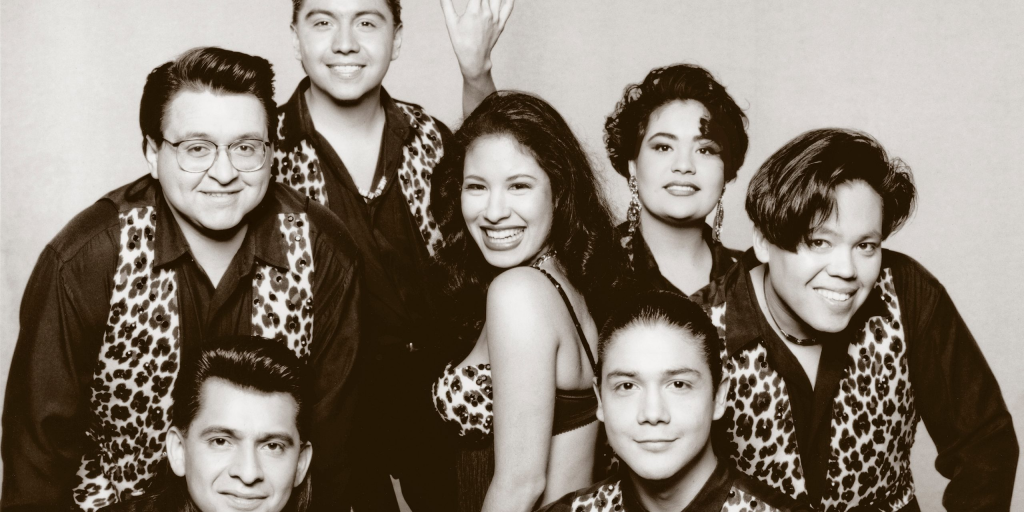
Texas’s influence on American music extends far beyond the state’s borders. The state has served as an incubator for new genres, a testing ground for innovations, and a source of artists who have shaped American popular music. Texas musicians have repeatedly demonstrated that regional music can have universal appeal, that authenticity and commercial success aren’t mutually exclusive, and that maintaining creative control doesn’t require sacrificing audience.
The state’s musical traditions continue to influence contemporary artists across genres. The Americana and alt-country movements draw heavily on Texas traditions, particularly the outlaw country and cosmic country sounds developed in Austin in the 1970s. Blues-rock guitarists still study Texas blues guitarists like Stevie Ray Vaughan and Albert Collins. Hip-hop producers worldwide have incorporated chopped-and-screwed techniques pioneered in Houston.
Economic Impact
Music has become a significant economic force in Texas, particularly in Austin. The music industry—including performance, recording, music publishing, and instrument manufacturing—generates billions of dollars in economic activity and employs tens of thousands of Texans. Tourism connected to music, from SXSW to the Texas Music Hall of Fame, brings visitors from around the world.
Beyond direct economic impact, music contributes to Texas cities’ quality of life and their ability to attract and retain educated workers. The “creative class” that many cities compete for values cultural amenities, and a vibrant music scene is a significant component of cultural vibrancy.
Conclusion
Texas music represents one of American culture’s richest traditions, a constantly evolving conversation between past and present, tradition and innovation, local and universal. From the blues fields of East Texas to the conjunto dance halls of the Rio Grande Valley, from Austin’s honky-tonks to Houston’s hip-hop studios, Texas has consistently produced music that matters, music that moves people, music that endures.
The state’s musical future seems secure. Despite challenges—rising costs of living in major cities, consolidation in the music industry, the disruption of traditional business models by streaming—Texas continues to produce exceptional musicians and supportive audiences. New venues open, new genres emerge, and young musicians continue to be drawn to Texas’s major cities by the promise of supportive communities and opportunities to develop their craft.
What makes Texas music special isn’t any single sound or genre but rather an attitude—a commitment to authenticity, a respect for tradition combined with willingness to innovate, and an understanding that music is meant to be experienced communally, whether in a dance hall, a honky-tonk, a blues club, or a massive festival. This attitude, more than any particular style, defines Texas music and ensures its continued vitality and relevance.